In 2019, my lower back declared war on me.
It started quietly, the way these things do. A little stiffness after a match, the kind you shrug off and forget by dinner. Then it grew teeth. First it took badminton. Then jogging. Then one morning it took walking, and I found myself frozen at the edge of my own bed, negotiating with my body over a distance of three feet.
The diagnosis came with a name that sounded almost poetic for something so cruel: ankylosing spondylitis. An autoimmune disease, which is a polite way of saying my own immune system had looked me over, decided I was the enemy, and opened fire. Left unchecked, the doctors explained, the inflammation can slowly fuse the vertebrae until the spine stiffens into a single rigid column. They even have a nickname for how it shows up on an X-ray. They call it a bamboo spine.
Six months of anti-inflammatory medication brought the pain down to something I could live with. But "livable" is not the same as "the same." The version of me who chased a shuttlecock across a court without thinking about it was gone, and he wasn't coming back.
Here was the cruel joke: the doctor told me I had to keep moving. Gently, patiently, forever. Motion was the only thing that would keep my joints from quietly cementing themselves shut. So I tried. I really did.
I swam laps. I jogged. And I discovered something about myself that no diagnosis had prepared me for: I find gentle, repetitive exercise unbearably boring. My body would go through the motions while my mind drifted off to somewhere else entirely, and I would surface twenty minutes later with no memory of having been there at all. It felt less like living and more like waiting. That, it turns out, is not a sustainable way to save your own spine.
Then Ali and Dani happened.
My two best friends, tired of hearing me complain, simply dragged me to a salsa class one evening. The teacher was Graeme, who everyone called Mambo G, and I walked in fully expecting to hate it.
Instead, it fixed everything I didn't know how to ask for.
The "gentle exercise" problem? Solved, and I never once noticed I was exercising. But that was the smallest part. What salsa really did was teach me how to stop. On the dance floor there is no room for the email you forgot to send or the worry you carried in from the street. There is only this: where is my hand, where is my weight, where is my partner, and are the two of us having a good time? For the length of a song, the noise in my head goes silent. I had spent my whole life being told to focus, and it took a Cuban rhythm to actually teach me how.
It cracked open other doors too. I learned to love Latin music, and I fell for something I hadn't expected in it. Here was an art form built on strict structure, a grammar of counts and turns and patterns, and yet it left endless room to improvise, to invent, to make it your own. Rules and freedom in the same breath. Once I could hear that, my whole state of being shifted, the physical and the mental both.
So here is where I've landed. If being an AS patient is a curse, then finding my way to the dance floor is the blessing that arrived tucked inside it. I would not have gone looking for either one. I got both anyway.
These days, wherever I travel, my dance shoes come with me. If there's a spare evening, I hunt down the local scene and I let myself in. And I never, ever get tired of it, because every place moves a little differently. Every city, every country, has its own accent in the steps. You can hear where a dancer is from in the way they hold a pause, the way they hit a beat. It's the same language everywhere, and it sounds like nowhere else.
My spine may want to turn me into bamboo. But bamboo, if you've ever seen it in the wind, knows how to sway.
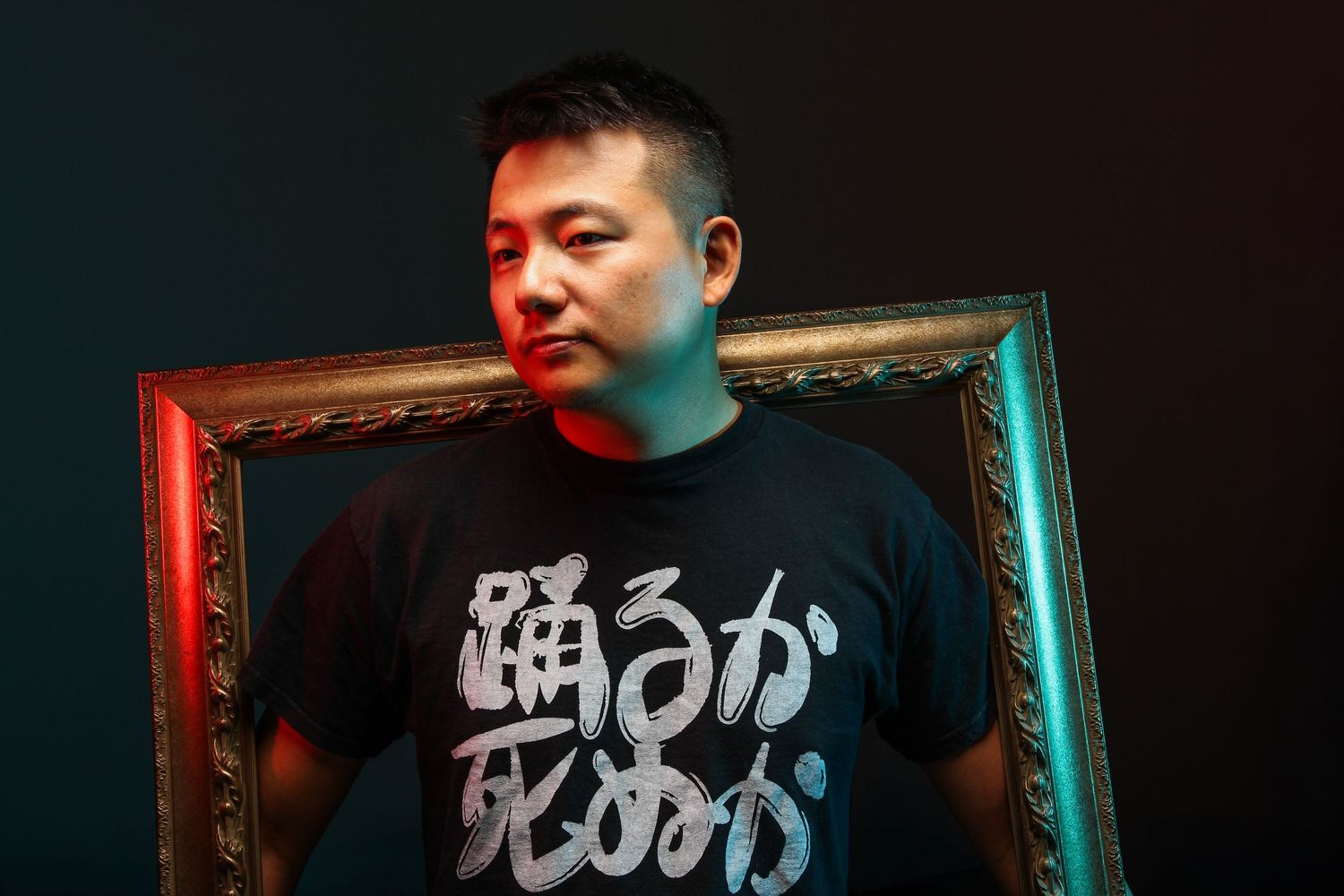
(The Lady Gaga's Mayhem Ball shirt says Dance or Die. for me that is not an option because I'd choose dance every. single. time.)