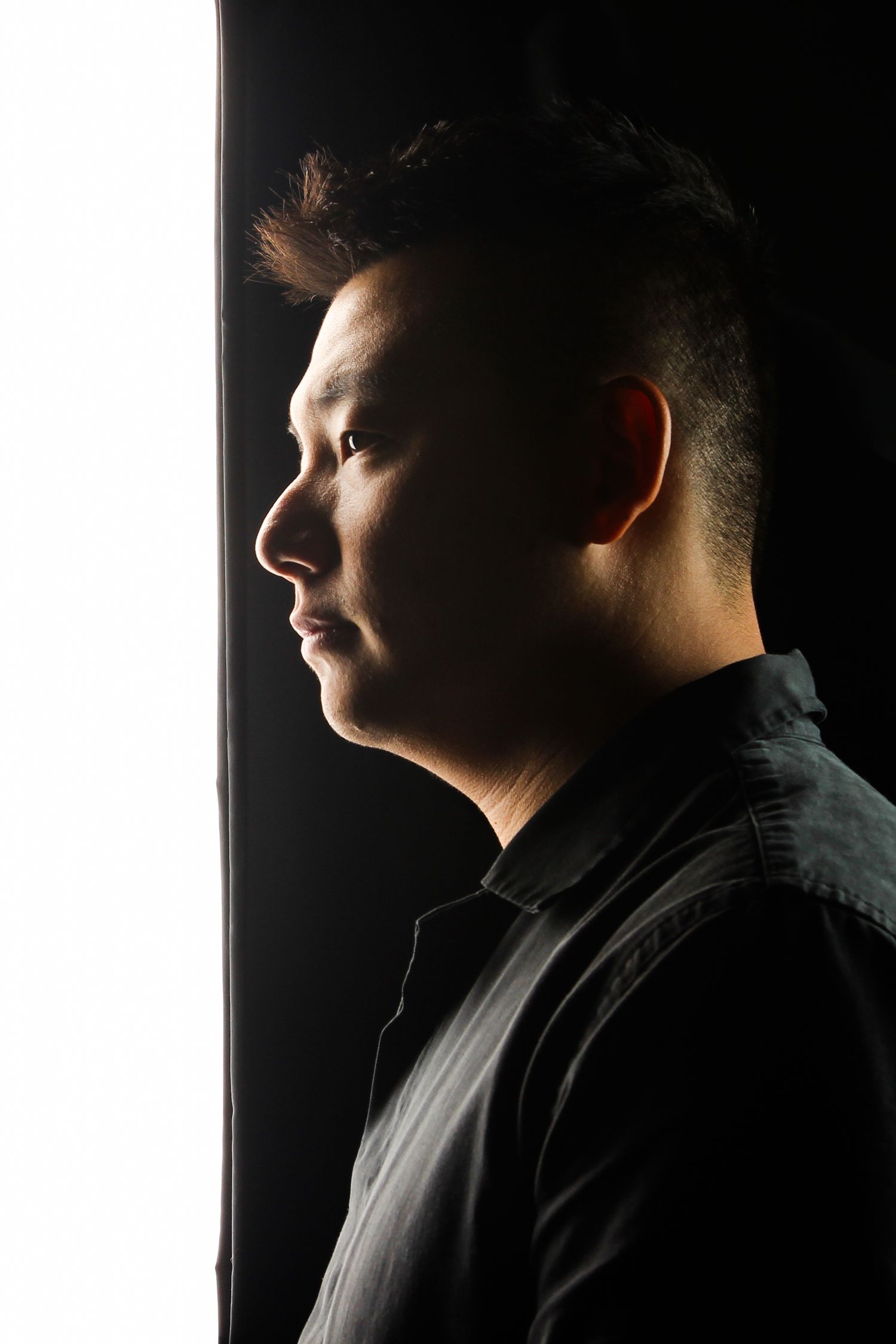
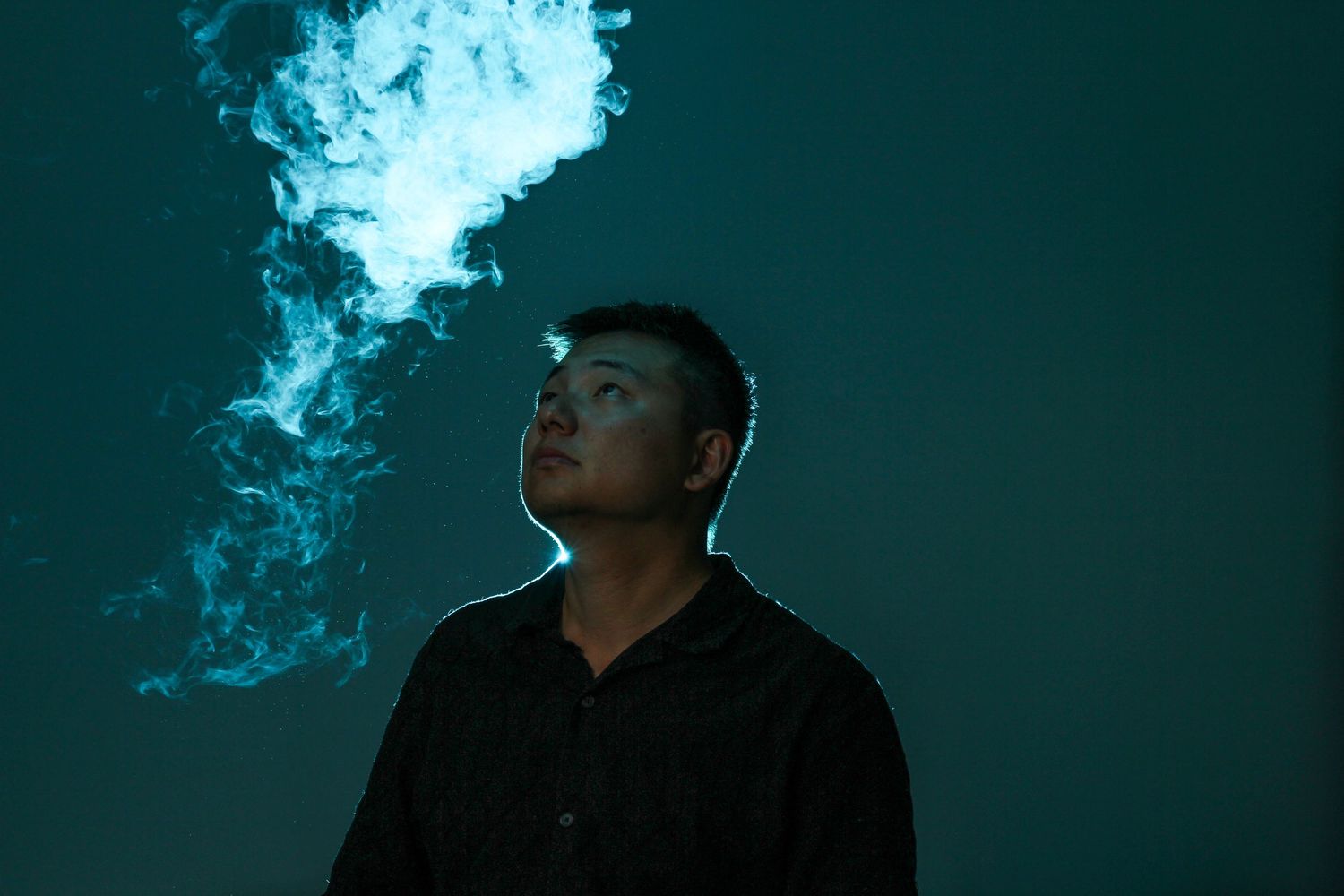
Sometimes when I signed up to volunteer as a photographer for races, the organizers would kindly ask if I owned a camera and offered to lend me one if I didn’t. That told me exactly where the bar was. So I showed up with my own gear, my swimsuit, and a plan. Instead of freezing every frame with a blazing-fast shutter, I slowed it down so you could actually feel the motion. The response surprised me: people loved the street-style energy of the shots.
Why most race photos fall flat
It’s a speed camera, cause the photographer does not know you: A shooter parks at one spot and fires at whoever passes. You get hundreds of near-identical frames, and the odds that yours is a good one are low.
Wrong place, wrong moment: One fixed position means you’re photographed wherever the camera happens to be, not where your race actually happened: the swim start, the hard climb, the moment you dug deep.
The forced smile: Athletes spot the camera, panic, and squeeze out a grin mid-effort. It never looks right, because no event photographers will ever communicate what a great game face looks like. The photographer isn’t talking to you; they’re just pressing the shutter.
Frozen, lifeless motion: Ultra-fast shutter speeds stop everything cold. Technically sharp, emotionally flat. A race is about movement, and the photos should feel like it.
Nobody knows who you are: The photographer isn’t watching for you. If you’re mid-blink, behind another athlete, or caught at an awkward second, there’s no second chance.
No story: You end up with a handful of random snapshots instead of a sequence that tells the story of your day from start to finish line.
Why a (nearly) private photographer is worth it
Your game face, coached. Before race day, I talk with each athlete about how they want to look out there. Fierce and focused? Relaxed and strong? Together we work out a real game face (eyes up, jaw loose, chin forward, no forced grin), then we practice it. That last part matters more than people expect. Deep into a race, your brain is busy managing pain and fatigue, and there’s nothing left over for remembering how to look good. Practice makes it automatic, so when you spot me on the course, your face already knows what to do. The result looks like you racing, not you posing.
I follow your race, not the crowd’s. With tracking and a plan, I get shots from multiple angles, one narrative. Swim, bike, run, finish. You get a coherent story of the day instead of scattered frames.
Creative intent. Slower shutters, panning, water-level angles. These are choices, not accidents, and they make the images feel alive.
Real moments. Your family at the finish, the look before the swim start, the high-five on the run. A dedicated photographer catches what a fixed camera never will. You’ll actually use them. These are the photos you print, post, and look back on years later.
Interested in having your milestone race covered? Feel free to reach out.
The bigger lesson
Low expectations are a gift, because they leave plenty of room to surprise people. And innovation doesn’t always happen where you’d expect. I didn’t reinvent the camera or the lighting; I reinvented the logistics: how to track athletes, where to stand, how to stay out of their way. That unglamorous planning didn’t guarantee great images, but it stacked the odds in my favor, and it turned out to be the thing that mattered most.